


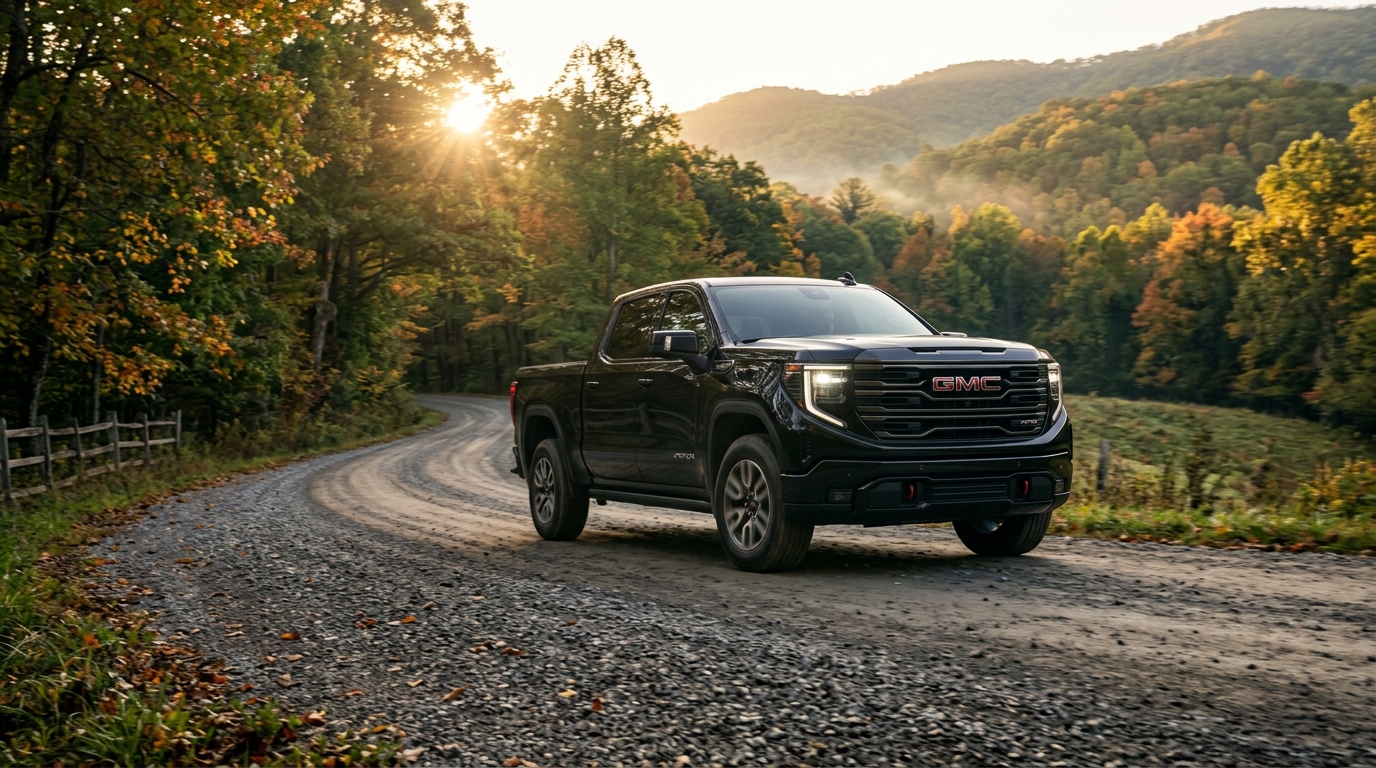
Standard suspension components can be serviced by independent mechanics, but GM dealership technicians are recommended for complex repairs due to the specialized diagnostic software required for systems like Adaptive Ride Control and Air Ride Adaptive Suspension. We sat down with our Service Manager at Rusty Wallace GMC Morristown, who brings over a decade of hands-on automotive repair experience, to discuss repair costs, component wear, and what owners should expect when servicing their truck or SUV.
Q: Should GMC suspension repairs be completed at a dealership or an independent mechanic?
A: Standard suspension components like basic coil springs, sway bar links, or conventional shock absorbers can be serviced by an independent shop, but advanced GM systems require manufacturer-specific diagnostic tools and calibration software that dealerships specialize in. Modern GMC vehicles often feature complex electronic setups like Magnetic Ride Control or height-leveling sensors that must be digitally recalibrated using factory equipment after hardware installation. Choosing dealership service ensures that certified technicians use genuine OEM parts designed specifically for your vehicle, which protects your factory warranty and preserves engineered ride quality.
When truck owners come in with ride quality concerns, the question I hear most often is whether a general mechanic can properly service advanced suspension electronics without triggering dashboard fault codes. While independent mechanics can physically bolt on basic hardware, improper sensor alignment or uncalibrated dampers can result in stiff damping, uneven ride height, or compromised stability controls. Driving over the moderately hilly terrain throughout Morristown, a properly calibrated suspension system is essential for maintaining control and tire contact on uneven mountain roads.
For vehicle owners who want to verify their chassis condition or address unusual handling behavior, getting expert diagnostic guidance is straightforward. You can easily schedule your service online to have our factory-trained technicians perform a complete multi-point inspection. If you prefer to speak directly with an advisor regarding diagnostic procedures, feel free to give our team a quick call or find our local service center to drop by in person.
Q: What is the hourly labor rate difference between GMC dealerships and independent mechanics?
A: Dealership labor rates are typically higher than independent repair shops. The higher dealership labor rate reflects specialized factory training, ongoing certification programs, and heavy investment in GM-exclusive tools like GDS2 diagnostic software and MDI2 interface hardware. While an independent shop offers lower upfront labor costs, specialized repairs on modern GMC trucks and SUVs often take fewer total billable hours at a dealership because our technicians work on these exact platforms daily.
Lower independent labor rates can be appealing for basic mechanical work like replacing rear leaf spring shackles or straightforward sway bar bushings. However, on vehicles equipped with electronic chassis management, an independent shop may spend extra billable time attempting to diagnose digital fault codes or sourcing specialized alignment specs. Dealership service packages also bundle labor with factory parts warranties, meaning if a replaced component fails within the warranty period, both parts and labor are covered without additional out-of-pocket expense.
Q: What suspension system options are featured on 2026 GMC trucks and SUVs?
A: The 2026 GMC lineup features several suspension configurations, ranging from independent front suspensions with coil-over shocks to high-tech electronic dampening and air ride systems. The 2026 GMC Sierra 1500 utilizes an independent front suspension paired with a solid rear axle and multi-leaf springs, while elevated trims offer Adaptive Ride Control with magnetorheological dampers that adjust shock firmness in milliseconds. Off-road trim levels equip specialized dampening hardware, such as the Multimatic DSSV spool-valve dampers on AT4X models, designed to dissipate heat during aggressive off-road driving.
Heavy-duty models like the 2026 GMC Sierra HD utilize a short-long-arm independent front suspension with durable torsion bars, engineered to carry heavy front-axle loads from plow attachments or heavy diesel engines. The rear suspension on 2500 HD models utilizes two-stage leaf springs, whereas 2500 HD models equipped with the Max Tow Package and all 3500 HD trucks utilize robust three-stage leaf springs to handle high payload demands. Meanwhile, midsize trucks like the 2026 GMC Canyon come standard with off-road-tuned chassis geometry, featuring a wide track and up to a 2-inch factory lift on Elevation and AT4 trims to clear rough trails. Full-size SUVs offer available Air Ride Adaptive Suspension, which enables automatic load leveling and selectable ride height adjustments for improved aerodynamic efficiency and ground clearance.
"Understanding the exact technology behind your GMC suspension is the fastest way to avoid unnecessary costs for component replacements."
Q: What are the primary warning signs of a failing GMC suspension system?
A: The most common warning signs of suspension failure include excessive vehicle bouncing after bumps, unusual clunking or squeaking noises over uneven road surfaces, uneven tire tread wear, and noticeable body lean during cornering. A vehicle that sags at one corner while parked or pulls to one side during straight-line driving usually indicates a leaking shock, a broken coil spring, or failing air suspension bladders. Ignoring these early warning signs accelerates tire wear and places excessive stress on surrounding steering linkages like tie rod ends and control arm ball joints.
Hydraulic shock absorbers and struts often show physical evidence of failure, such as fluid leaking down the outside of the damper body. When internal seals fail, the dampener loses its ability to control spring rebound, leading to a floating sensation on the highway during routine commutes toward Knoxville. On vehicles equipped with height sensors, a failing air compressor or leaking air strut will often trigger a system warning message on the driver information center or cause the pump to run continuously until it overheats.
Q: How much does it typically cost to replace shocks or struts on a GMC Sierra 1500?
A: Replacing the front struts or rear shock absorbers on a GMC Sierra 1500 generally costs between $1,800 and $2,300 for a complete axle pair, with labor accounting for $350 to $500 and OEM parts totaling $1,500 to $1,750. Price variations stem primarily from the trim level and the specific suspension technology installed, as standard twin-tube shocks are significantly less expensive than electronic dampers. Because suspension work alters vehicle ride height and wheel geometry, a four-wheel alignment costing $100 to $200 is always recommended following strut replacement to prevent rapid tire scrubbing.
Owners driving models with Adaptive Ride Control can expect replacement electronic strut assemblies to sit at the higher end of the parts price spectrum due to internal magnetorheological fluid sensors and harness connections. Replacing shocks in pairs across the same axle is mandatory to maintain balanced dampening and predictable handling during braking or emergency maneuvers. Servicing suspension components early prevents minor dampening loss from turning into major control arm or steering knuckle damage.
Q: What is the installed cost per corner for air spring or air strut replacement on a GMC SUV?
A: Replacing a single air spring or air strut on a GMC SUV with air suspension typically costs between $150 and $1,370 installed per corner, depending on whether only the rubber air bladder or the entire strut assembly requires replacement. Individual replacement air springs range from $54 to $537 in component costs plus 1 to 3 hours of labor, whereas complete air strut assemblies run between $250 and $828 for the part alone. If a neglected air leak causes the suspension compressor to burn out from continuous operation, replacing the compressor assembly adds an additional $180 to $1,090 in combined parts and labor costs.
When a vehicle reaches 7 to 10 years of age, exposure to road salt, gravel, and seasonal temperature swings causes rubber air bladders to dry-rot and form micro-cracks. While replacing a single failing corner resolves an immediate leak, adjacent corners are subject to the same age and mileage wear, often leading owners of older vehicles to evaluate full 4-corner overhauls costing between $2,200 and $4,800. For drivers seeking long-term reliability without electronic air components, coil spring conversion kits priced between $290 and $1,850 installed offer a mechanical alternative that permanently eliminates air system maintenance.
Q: How can knowing typical suspension part prices help GMC owners evaluate repair quotes?
A: Knowing average component prices empowers GMC owners to distinguish between reasonable repair estimates and inflated quotes by clearly separating labor costs from genuine part pricing. For example, standard replacement ball joints average $200 to $500 per joint installed, control arms run $300 to $750 per arm, and sway bar links typically cost $75 to $200 per link. Recognizing these baseline figures allows owners to identify whether a shop is marking up aftermarket components beyond fair market value or billing excess labor hours for routine bolt-on procedures.
On midsize trucks like the 2026 GMC Canyon, standard shock or strut replacement averages $1,051 to $1,347 total, with parts accounting for about $416 and labor estimated at $634 to $931. Understanding that specialized heavy-duty components or electronic dampers legitimately carry higher parts costs helps owners appreciate why quotes vary between trims. Reviewing itemized estimates gives vehicle owners confidence when scheduling maintenance and ensures they receive factory-quality parts that match original chassis specifications.
If you want to review your vehicle's maintenance needs or request a detailed diagnostic quote, our service team is available to help. You can call our knowledgeable service advisors at (423) 616-5979 or drop by our dealership location to discuss your suspension options with our certified technicians today.
© 2026 Rusty Wallace GMC Morristown. All rights reserved.